Pro Pup Tips: Ace Training Dog to Walk on Lead!
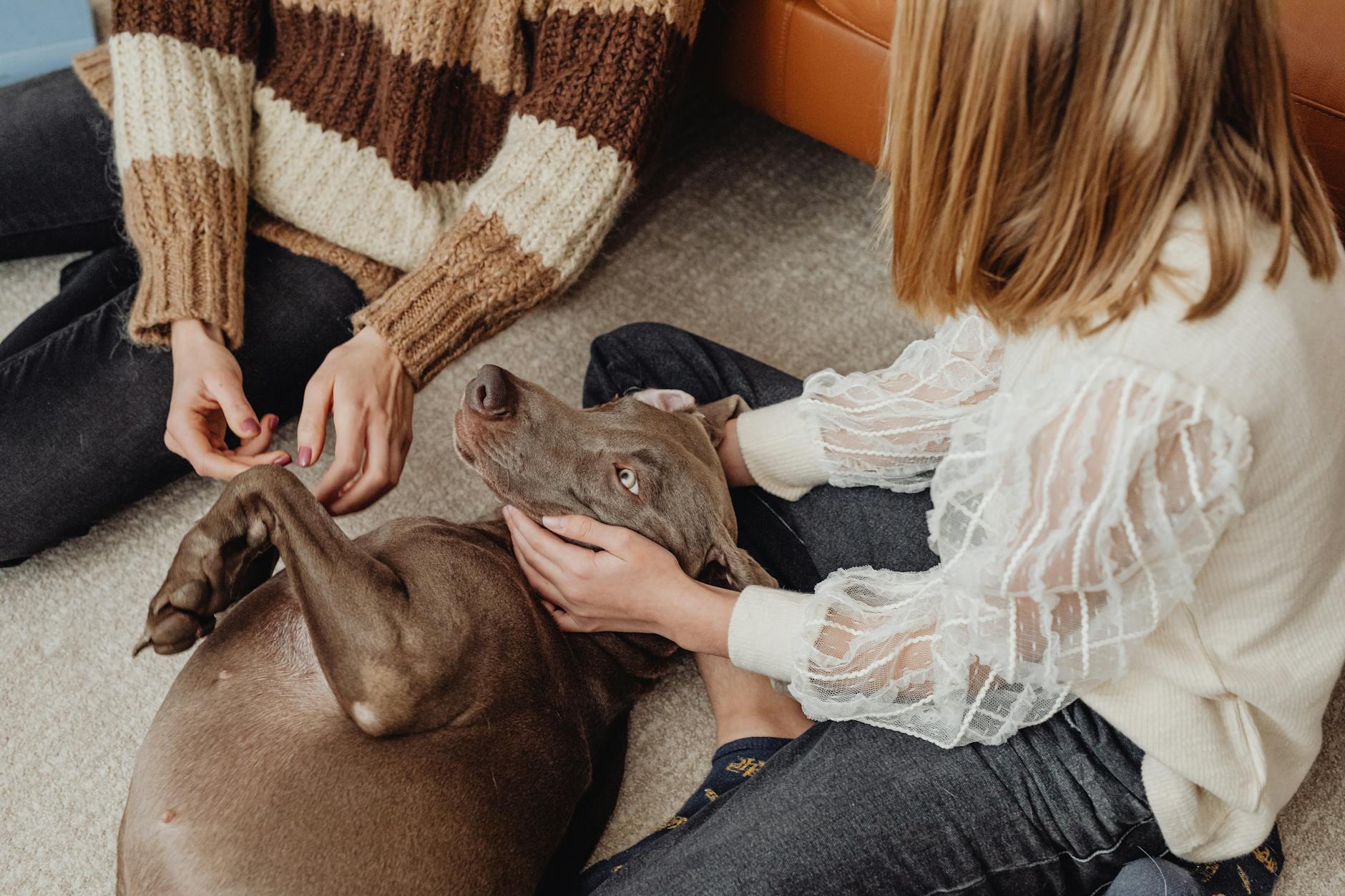
Walking your dog is much more than a way to let them get some exercise; it's a crucial aspect of their routine that establishes you as the pack leader and helps maintain discipline and structure in their life. When a dog walks well on a leash, it makes the experience enjoyable for both you and your furry friend. With these professional insights, you can transform your daily walks into a harmonious activity. So, let's dive in and explore some simple, yet effective leash training techniques to achieve those well-mannered, stress-free strolls.
The Importance of Leash Training
Leash training is essential for several reasons:
- Safety: A dog that pulls or is unresponsive on a leash can be a hazard to themselves, their owner, and others.
- Control: It helps you maintain control during walks, especially in high-traffic areas or in situations with lots of distractions.
- Bonding: Peaceful walks allow you to create a stronger bond with your pet as you both enjoy the time spent together without frustration.
Getting Started
Before you start, you'll need a few supplies:
- A sturdy, comfortable collar or harness
- A suitable lead that's not too long or too short, generally about 6 feet
- Treats for positive reinforcement
- Patience and consistency
Step 1: Introducing the Collar/Harness and Lead
If your dog isn't used to wearing a collar or harness, begin by letting them have short periods of wear around the house, followed by increasing durations. Associate the collar/harness with positive things; give them a treat and praise when you put it on.
Once your dog is comfortable, attach the lead and let them walk around the house. Keep the experience positive so that your dog perceives the leash as a good thing.
Step 2: Basic Commands
Before hitting the sidewalk, ensure your dog is responsive to basic commands such as "sit," "stay," "come," and "heel." These are foundational for leash training and should be practiced without distractions first.
Step 3: Walking Indoors
Start practicing walking indoors where there are fewer distractions. Walk your dog on the lead throughout your house, guiding them with treats and using the "heel" command when necessary.
Step 4: Short Outdoor Sessions
Once your dog appears comfortable indoors, it's time to venture outside. Begin with short outings in a quiet area. If they start to pull, stop walking, and don't resume until there is some slack in the leash.
Step 5: Positive Reinforcement
Use treats and praise liberally to reward good behavior. You want your dog to associate walking nicely on a leash with positive outcomes.
Step 6: Gradual Progression
As your dog gets better, slowly increase the walk's duration and introduce busier areas. Keep the training sessions consistent and frequent.
Troubleshooting Common Problems
- Pulling on the Lead: When this happens, stop in your tracks. Wait until your dog stops to investigate why you're not moving, then call them back to your side and resume walking when the leash is loose.
- Lagging: Encourage your dog with treats and enthusiastic praise to stay by your side. If necessary, a gentle tug on the leash to get them moving, followed by an immediate reward when they do, can help.
- Reactivity to Other Dogs or Distractions: Keep your dog’s focus on you with treats and maintain a confident, calm demeanor. Training in less distracting environments before moving on to challenging scenarios can be beneficial.
Conclusion
Remember that consistency is key to successful leash training. Every walk is a training session, so stay patient and persistent. With time, your dog will learn to walk on a leash like a pro, ensuring every outing is a pleasurable experience for both of you.
Start now and watch as your leisurely walks become the highlight of your day – a testament to your dedication and your dog's willingness to learn and please. Happy walking!
Remember to always consult with a professional dog trainer if you're experiencing persistent issues or if your dog displays aggressive tendencies while leash training. Safety for both you and your dog is the top priority.